All posts by Arjun

The Modern Way to Grow Your Wealth: A Guide to Trading in India

In today’s digital age, managing your money has evolved beyond traditional savings accounts and physical assets. For many in India, the journey toward a more flexible financial future begins with the decision to buy bitcoin. It is often seen as the “gold” of the internet—a secure, digital way to hold value. The best part is that you don’t need a fortune to start; you can begin with a small amount of Rupees and slowly build your portfolio as you learn.

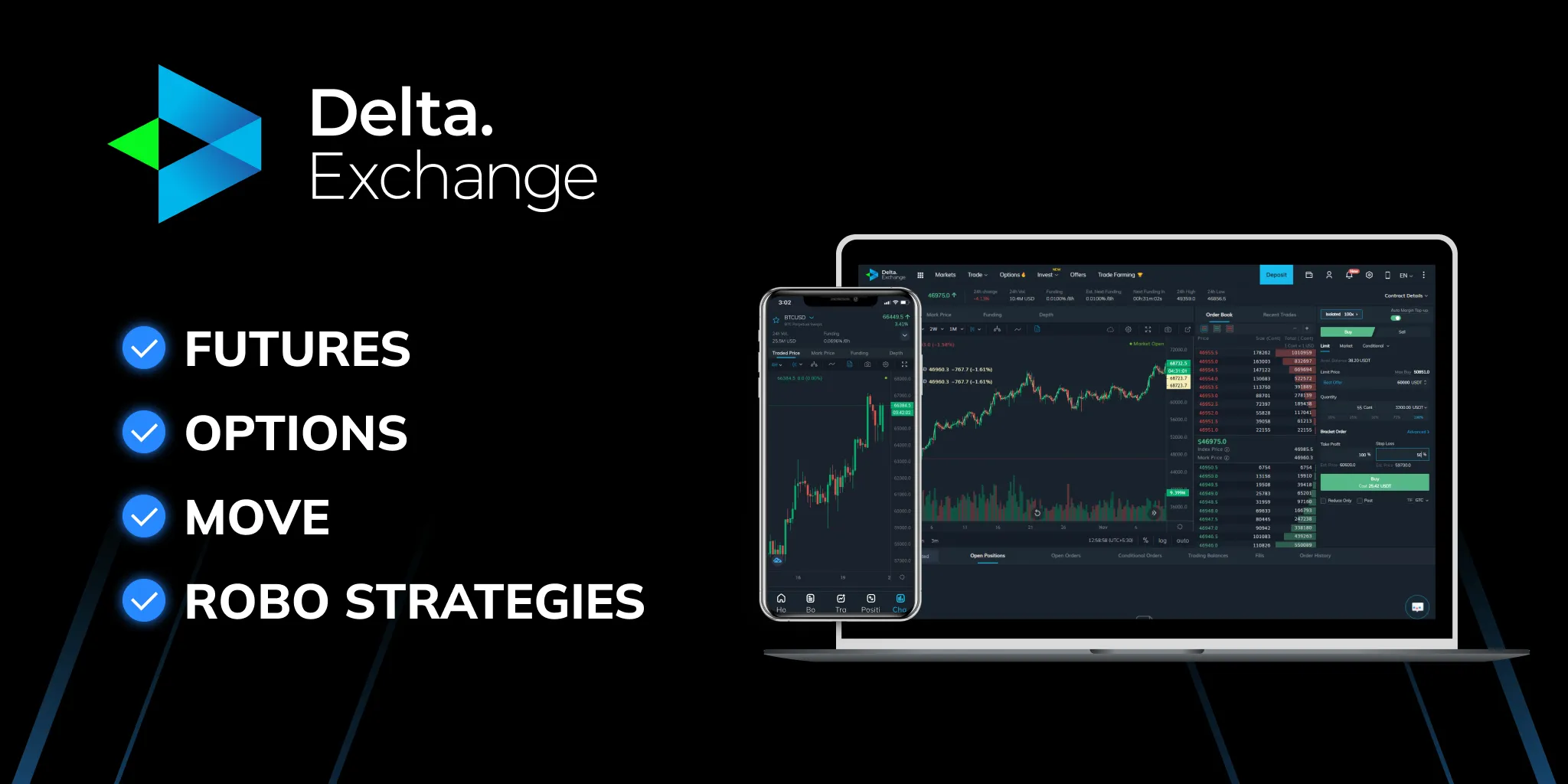
As you get more comfortable, you might find that cryptocurrency trading offers a dynamic way to interact with the market. Instead of just holding a coin, trading allows you to take advantage of the market’s natural ups and downs. By using a cryptocurrency trading app designed for Indian users, you can handle everything in INR, from deposits via UPI to tracking your daily profits, making the entire experience feel familiar and stress-free.

For those looking to plan their moves in advance, future trading is a powerful tool. It allows you to agree on a price today for a trade that will happen later, similar to booking a price for a gold coin before a major festival. This helps you stay protected from sudden price changes and gives you more control over your investment strategy. It’s a smart way to manage risk while staying active in the digital economy.

To make things even easier, some traders explore using a crypto trading bot. Think of this as a smart assistant that helps execute your plan even when you’re busy with work or sleep. While it sounds high-tech, it’s really about setting simple rules—like buying at a certain price—so the app can do the heavy lifting for you. It ensures you never miss an opportunity, even in a market that never sleeps.

Ultimately, success in the digital market comes down to using the right tools and staying patient. By choosing a secure, local platform that understands the Indian market, you can navigate your financial journey with total confidence. It’s about taking small, steady steps today to create a brighter and more secure tomorrow for you and your family.

Step By Step Guide To Start Online Trading In India


Online trading and intraday trading have become a very popular method of earning money and growing your wealth over time. There are multiple reasons why mobile trading is so popular: it eliminates the need for a broker or an agent, and you can access the stock market 24/7 from the comfort of your home instead of going to the stock market bureau. Seems just the most ideal thing you need to grow your funds, right? But although it seems great, at the beginning, it may seem quite intimidating and confusing. Well, don’t worry, we are here to guide you. In this article, we will walk you through the process of getting started with online trading. 

Steps to Start Online Trading in India:

1. Choose an Online Broker

The very first step of beginning your trading journey is choosing the right online broker that suits your financial goals. In order to choose the best share market app for your needs, you need to research different share market apps and, based on your research, choose one. To choose a suitable online broker, you need to take the following things into consideration:

* Fees charged by the broker 

* Quality of customer service 

* User interface and ease of use 

* Security features 

* Investment options available: like stocks, mutual funds, IPO Investments and more

2. Account Types Available

Services like stock and commodity trading, margin accounts, and futures contracts. Moreover, you need to ensure that the broker is registered with regulatory bodies like SEBI (Securities and Exchange Board of India) and is trustworthy. This broker acts as your intermediary, facilitating all your transactions.

3. Open a Demat and Trading Account

The next thing you need to do is open a trading and demat account using the best trading app you can find. Finding the best trading app for you is crucial since it will help you choose the best shares to buy for long term. A point to be noted is that these two are two different accounts. A demat account holds your equity delivery electronically, while the trading account authorises you to buy and sell financial instruments. Both accounts must be opened through a registered broker that is a member of the Indian stock exchanges, like NSE (National Stock Exchange) or BSE (Bombay Stock Exchange).

​The process typically involves:

* Getting your  KYC (Know Your Customer) done by submitting documents, such as a PAN card, address proof, and identity proof.

* Filling out an online or offline application with your broker.

* Making an initial deposit, as per the minimum requirement of your broker.

4. Login and Add Funds:

Once your demat and trading account is ready, you can log in with credentials provided by your broker. To begin trading in Bank Nifty, deposit funds into your account through online banking or net banking. This initial deposit will be your capital for trading. It’s important to note that all profits made from online trading must be declared for taxation purposes.

​5. View Stock Details and Start Trading:

After you have added funds to your account, you need to start exploring the market. The app that you use will provide you with live market data, stock details, and company information. Do not invest in the first stock you find when you google search ‘intraday stocks for today’. Once you have identified the stock that you want to trade in, you can buy stock orders through your broker’s online system. Monitoring your trades is crucial, as it helps optimize profits and minimize losses.

​Before jumping into trading, it is equally important to have a strategy in place. Consider your risk tolerance and investment goals. Many brokers offer additional features like an MTF Calculator, stop-loss orders, margin accounts, and real-time streaming data to assist in making informed decisions.

In conclusion, beginning your online trading journey is quite a simple process, but it requires you to find the right app, research, plan and have good knowledge of the market. By following the steps outlined above, selecting a broker, opening necessary accounts, funding the account, and beginning trades, anyone can embark on their trading journey. As mentioned before, do not invest in the first stock you see when you google search ‘best shares to buy today’. Understanding market trends, developing a strategy that fits your risk appetite, and using the available tools and resources effectively are the keys to success. 

Bike Taxi vs Cab: Which Is More Affordable For Daily Commute?

When it comes to commuting in a heavily congested city with traffic, everyone is torn between the options of choosing a bike taxi or a cab for their daily transportation needs. Choosing the correct form or mode of transportation is no longer just about convenience but has now also shifted to the financial aspect. If you are a daily commuter, then you must be well aware of the fact that public transport has been overflowing with ‘public’ for decades now. Hence, more and more people nowadays are shifting towards using cab and bike taxi apps for their daily commuting needs. 

Despite more and more people shifting towards these apps, they still seem to be confused while answering the real and most important question: Is a cab or a bike taxi more affordable for daily travel?

Let’s break this confusion down so that you can make smarter communication decisions: 

  1. Cost-Effectiveness: 

When it comes to analysing the cost-effectiveness of both options, one can clearly draw a comparison and find out that booking a two-wheeler or a bike on a biketaxi app is definitely a cheaper option as compared to a cab. This is mainly because bikes consume way less fuel, operating costs are lower, and short-distance rides on these apps are also priced at the lower end. 

Hence, one can come to the conclusion that if it is a short commute, then a bike taxi is the most appropriate option as it is more affordable than cabs, especially during peak hours. 

  1. Traffic Efficiency: 

Commuting in a metro city can even turn a basic 5-minute journey into an hour-long tragedy. Here is where a bike taxi shines brighter than a four-wheeler cab. They can easily overtake huge vehicles, cut through narrow lanes and also easily navigate across congested roads where a usual four-wheeler cab would have been a major obstacle. Getting stuck in traffic for longer times comes down to higher fares. Hence, opting for a bike taxi in situations like these is always considered to be pocket-friendly and traffic-efficient. 

  1. Surge Pricing: 

It is a known fact that no matter how dynamic the pricing a car rental app or bike taxi app uses, cab prices usually tend to surge far higher than a normal bike taxi. The main reasons behind this high surge are usually due to high demand and low availability, and also longer waiting hours. Bike taxis, on the other hand, are readily available because they cover more rides or trips in a shorter duration of time. 

Now, here’s a simple, broken-down conclusion for an easy decision-making process. 

You can go ahead with a bike taxi if you want: 

  1. The cheapest commute option
  2. Faster travel during peak traffic
  3. Quick and convenient rides
  4. Daily office or short-distance travel

You can choose a cab if you want: 

  1. More comfort
  2. Weather protection
  3. Luggage-friendly rides
  4. Group or long-distance travel

For most daily commuters, students, office-goers, and single tourists, a bike taxi is undeniably more affordable, quicker, and at the same time, more comfortable. If you are budgeting smart and seeking maximum value from your money, then bike taxis are a clear winner for everyday use.

Jolt and the Gentle Art of Reclaiming Your Digital Space

There is a moment people often notice without saying much. You pick up your phone to check one message and before you know it twenty minutes have drifted by. This is the quiet pull of screen time in our daily lives. Jolt enters this space gently, not to scold or restrict, but to help you see these patterns more clearly. It presents itself as a thoughtful screen break app that cares about your attention and your well being rather than simply cutting you off from your device.

What stands out about Jolt is how it makes screen time control feel personal. Instead of overwhelming users with complicated charts or harsh rules, it reflects your habits in a way that feels honest. You start noticing how often you unlock your phone during a work session or how frequently you switch between apps even when you are not truly engaged. This awareness is often the beginning of change. People who use Jolt say it gives them a sense of calm because it brings choice back into their day.

The growing search for balance has made digital wellness tools more common. Yet many of these tools can feel aggressive or restrictive. Jolt takes a different approach. Its focus sessions work almost like quiet reminders to stay with your intention. You set aside time for deep work, reading, conversations, or even resting your eyes. During that period, Jolt steps in as a screen time limiter. It blocks unnecessary distractions, but it still lets you be in charge. That sense of control matters because people want guidance, not orders.

The role of a screen break app becomes more important in a world where information never ends. Our minds are not built to stay plugged in all day. They need small pauses to breathe. Jolt encourages those pauses at natural times. A gentle nudge to take a short walk, stretch your hands, or just look away from the screen for a moment can feel surprisingly grounding. Many users have shared that these tiny breaks restore their focus better than long hours of forced concentration.

The cultural conversation around screen time is shifting too. It is no longer just about productivity. It is about mental clarity, emotional presence, and even physical comfort. People want to feel connected to what is happening in front of them, not just to the endless scroll. Jolt supports this desire by giving users small steps they can actually follow. There is no pressure to be perfect. Progress happens quietly.

In this way, screen time control becomes a form of self respect. It is a reminder that your attention has value. Jolt simply helps you protect it. That is why it resonates with students, professionals, parents, and anyone who wants to feel more in control of their days. It is not dramatic. It is steady and kind. And sometimes that is exactly what people need.

How Digital Loans Became A Quiet Part For Money Management

If you’ve spent any time talking to young working people today, they are juggling rent, travel costs, surprise expenses, and the unpredictability that comes with modern life. You’ll notice something interesting. Now borrowing money no longer feels like a big, dramatic step. It has turned into something far more routine, almost like a financial cushion people keep in their pocket. And at the center of this change is a cluster of tools that promise one thing: access without delay. That’s where the idea of a quick loan app really fits into the picture.

​Where Quick Loans Start Making Sense​:

If you sit with someone working in a metro city or even in a smaller town, they’ll tell you the same thing, money doesn’t always flow in a straight line. For one person, it might be a week where everything hits at once. Electricity bill, school fees, and a minor medical issue. For another, it might be a small window of opportunity, like a discounted flight ticket or a professional course they cannot let slip. A fast loan online gives them breathing space, not luxury. It lets them deal with the moment without borrowing from friends or dipping into savings. Nobody whispers about short-term loans anymore. Instead, they talk about interest rates, approval time, and repayment flexibility.

​The Appeal of Quick Loan Apps:

Most people who use a quick loan app don’t do it because they want to spend more. They do it because the app removes every point of friction. No trips to a bank, waiting in lines, etc. Just an app that checks your documents, verifies your ID, and tells you upfront what the terms are. And perhaps the most important part is that there are no surprises. You know your repayment schedule and the exact due date. That predictability matters more than people admit. It helps them stay in control instead of feeling overwhelmed.

​These apps also tend to have straightforward dashboards. Recent transactions, EMIs, remaining balance, etc. For someone managing multiple responsibilities, that clarity is invaluable.

​Why Salary Loan Apps Are Gaining Ground:

Another category that has grown rapidly is the salary loan app. These platforms are built around a simple idea, life doesn’t always run on the same calendar. Maybe your salary got delayed, or there’s a sudden family requirement. Maybe you’re starting a new job and need to survive the first month without pay. A salary-linked loan cushions that gap.

​What sets these apps apart is the repayment flow. Because repayments are often aligned with future salary deposits, users don’t have to juggle multiple dates or remember random deadlines. It becomes a cycle: borrow to manage the urgent, repay when the income comes in. There’s a certain logic to it that feels more honest and less stressful than traditional borrowing.

​Conclusion:

As digital lending continues to evolve, the focus will shift even more toward responsible and personalized borrowing. Apps will likely introduce better credit insights, more flexible repayment windows, and tools that help people understand their spending patterns.

Home Loan for Buying or Building Your Dream House

A home loan helps individuals achieve their dream of owning a house by offering long-term financing at affordable interest rates. It allows you to purchase, construct, or renovate residential property without depleting your savings. With advancements in digital banking, applying for a housing loan has become faster and simpler. Borrowers can now complete applications, upload documents, and receive approvals online, making the process smooth and transparent.

What Is a Home Loan

A home loan is a secured financial product offered by banks and housing finance companies. The borrower pledges the property as collateral in exchange for funds to buy or construct a house. The loan amount is repaid over several years through equated monthly installments (EMIs) that include both principal and interest.

This facility provides individuals and families with a structured way to own property without paying the entire cost upfront.

Key Features

  • High Loan Amount: Covers up to 80–90% of property value.
  • Long Tenure: Flexible repayment options up to 30 years.
  • Competitive Interest Rates: Lower than most other loan types due to secured nature.
  • Tax Benefits: Deductions available under Sections 80C and 24(b) of the Income Tax Act.
  • Balance Transfer: Option to move your loan to another lender offering better rates.
  • Online Application: Apply digitally through lender websites or loan apps.

Types of Home Loans

Financial institutions offer different types of home loans to suit various needs:

  1. Home Purchase Loan: For buying a new or resale property.
  2. Home Construction Loan: For building a new house on owned land.
  3. Home Renovation Loan: For upgrading, repairing, or remodeling an existing home.
  4. Home Extension Loan: To add new rooms or floors to an existing property.
  5. Plot Purchase Loan: For buying land to construct a house later.
  6. Balance Transfer Loan: To shift an existing loan to a new lender at a lower interest rate.

Eligibility Criteria

While eligibility varies by lender, the general requirements include:

  • Applicant must be an Indian resident aged 21–65 years.
  • Salaried or self-employed with a stable income source.
  • Minimum monthly income as per lender policy.
  • Good credit score (typically 700 or above).
  • Property documents in order for mortgage creation.

These criteria help lenders assess repayment ability and financial credibility.

Documents Required

Applying for a home loan involves submitting certain standard documents:

  • Proof of identity (Aadhaar, PAN, passport).
  • Proof of address (utility bill, rent agreement).
  • Income documents (salary slips, ITR, bank statements).
  • Property-related papers (sale agreement, title deed).
  • Passport-sized photographs.

Digital lending platforms allow these to be uploaded online, eliminating physical paperwork.

How to Apply for a Home Loan

The process of getting a home loan is simpler than ever with digital tools and loan apps.

Step 1: Check Eligibility

Use an eligibility calculator on the lender’s website to estimate the loan amount you can get based on your income, liabilities, and credit score.

Step 2: Choose the Loan Type

Select between fixed or floating interest rates and decide on the tenure that suits your financial plan.

Step 3: Submit Application

Fill in personal, financial, and property details online or at the branch.

Step 4: Upload Documents

Provide digital copies for identity, income, and property verification.

Step 5: Property Valuation and Sanction

The lender evaluates the property and verifies documents before sanctioning the loan.

Step 6: Loan Disbursal

Once approved, funds are disbursed directly to the property seller or builder according to the loan agreement.

Interest Rates and Repayment

Interest rates for home loans generally range between 8% and 10% per annum, depending on market conditions and borrower profile.

Repayment is done through EMIs, which include both principal and interest components. Most lenders offer flexible repayment schedules and prepayment options, helping borrowers reduce the overall interest cost.

Using an online EMI calculator before applying helps estimate the monthly commitment accurately.

Benefits of Taking a Home Loan

  1. Property Ownership: Enables buying or building a home without full upfront payment.
  2. Tax Advantages: Interest and principal repayments qualify for tax deductions.
  3. Wealth Creation: Real estate is a long-term appreciating asset.
  4. Flexible Repayment: Choose tenure and EMI as per your comfort.
  5. Financial Discipline: Regular repayments help build a strong credit profile.

A home loan thus combines financial convenience with long-term investment value.

Factors to Consider Before Applying

Before finalizing your loan, review the following:

  • Interest Type: Fixed rates offer stability; floating rates change with market conditions.
  • Processing Fees: Usually 0.5–1% of the loan amount.
  • Prepayment Terms: Some lenders charge for early closure.
  • Insurance: Home loan protection insurance can secure your family’s future.
  • Total Cost: Include taxes, legal fees, and stamp duty in your budget.

Evaluating these factors ensures a smoother borrowing experience.

Why Digital Platforms Are Transforming Home Loans

Online platforms and loan apps have made home loan applications quicker and more transparent. Borrowers can compare offers, calculate EMIs, and upload documents digitally. AI-based systems also speed up verification, allowing instant eligibility checks and real-time status tracking.

This shift benefits salaried individuals, business owners, and first-time buyers alike by saving time and reducing the need for manual follow-ups.

Tips for Faster Approval

  • Maintain a strong credit history.
  • Avoid multiple loan applications at once.
  • Keep documents updated and ready.
  • Opt for co-applicants to improve eligibility.
  • Choose lenders with digital verification and e-KYC systems.

Following these tips increases the chances of instant approval and quick disbursal.

Conclusion

A home loan is more than a financial product—it’s a bridge to homeownership and long-term security. With user-friendly loan apps and online tools, the process has become faster, more transparent, and more accessible. Borrowers can now compare rates, calculate EMIs, and manage repayments digitally. Choosing a trusted lender and planning your finances carefully ensures that your journey to owning a dream home remains smooth and stress-free.

How A Mental Wellness App Can Support Everyday Stress

Stress doesn’t always arrive with warning sirens. Sometimes it shows up quietly, sitting in the background while you rush between work, family responsibilities, and everyday expectations. With life moving faster than ever, our minds rarely switch off. That’s why taking care of your mental well-being isn’t optional anymore, it’s necessary. One simple tool making this easier than ever? A mental wellness app.

It brings support, structure, and calm straight to your phone, helping you manage stress before it builds up and overwhelms you. Here’s how these apps make a real difference in handling day-to-day emotional pressure.

1. Support When You Need It Most

Stress doesn’t wait for business hours. You don’t only feel anxious at 10 AM on a weekday, sometimes it hits at midnight or during a morning commute. A mental wellness app gives you access whenever you need to talk to an expert, even if it’s for a quick conversation during a hectic day or reassurance before bed. Sometimes knowing someone is there — even digitally, brings immediate relief.

2. Practical Tools That Make a Real Impact

We’ve all heard the advice: breathe deeply, meditate, journal. But the challenge isn’t knowing these techniques, it’s sticking to them. Mental wellness apps guide you step by step with:

  • Simple breathing and grounding exercises
  • Quick mood-boosting activities
  • Short meditation practices
  • Journaling prompts
  • Daily calming affirmations

These small, science-backed exercises help reset your emotional state and gradually build resilience.

3. Understand Your Emotions Better

Ever felt stressed without knowing why? Tracking your mood helps you spot patterns, maybe certain times of day, situations, or thoughts trigger stress. A mental wellness app lets you reflect daily, making it easier to understand what affects your emotional state. And when you understand your stress better, you can manage it better.

4. Real Guidance from a Wellness Coach

Not all stress looks the same, and there’s no single solution for everyone. A mental wellness app often pairs you with a wellness coach who offers personal support. They guide healthy habits, help you stay grounded, and offer strategies tailored to your lifestyle and emotional needs. Sometimes a single message or conversation can shift your entire mood and help you look at things differently.

5. Gentle Reminders That Build Healthy Habits

Stress relief isn’t about dramatic life changes, it’s about small actions practiced regularly. These apps gently nudge you to take mindful breaks, breathe, journal, rest, or reset your thoughts. These tiny reminders keep you consistent without overwhelming you. And consistency is what strengthens mental resilience over time.

In conclusion, you can’t always control how fast life moves, but you can learn how to take care of your mind along the way.

A mental wellness app creates a private, safe space for reflection, support, and emotional growth. It helps you talk to expert when you feel weighed down, build habits that protect your peace, and stay balanced through everyday stress.

Whether you’re feeling low, overwhelmed, or just want to stay mentally strong — taking small steps toward wellness can make a big difference. And sometimes, the first step is as simple as opening an app and giving yourself a moment to breath. 

Ipo Investment Strategies For Long-Term Growth

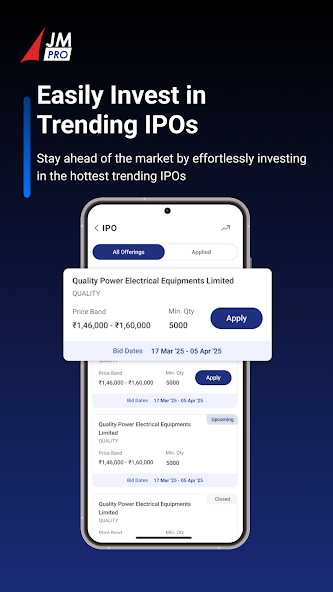
Investing in initial public offerings (IPO) has become an attractive option for investors looking to diversify their portfolios and seek long-term growth. An IPO represents the first sale of a company’s shares to the public, offering a chance to participate in the early stages of a potentially successful business. To navigate this landscape effectively, understanding strategies for IPO investment is essential.

With the rise of technology, an IPO investment app has simplified the process, allowing investors to apply for IPOs, track performance, and manage their investment portfolio from one platform. Leveraging these tools can provide better insights into market trends and make informed investment decisions.

Understanding IPO Investment

IPO investment involves buying shares of a company during its public offering. Unlike investing in established companies, IPOs come with unique opportunities and risks. The potential for high returns attracts investors, but it requires careful analysis to avoid losses. Factors such as company financials, market conditions, and industry growth play a significant role in determining the success of an IPO investment.

Using an IPO investment app can help investors access real-time information about upcoming IPOs, subscription trends, and allotment updates. This accessibility allows investors to act promptly and efficiently, enhancing their investment strategy.

Key Strategies for Successful IPO Investment

1. Research Company Fundamentals

Before investing, analyze the company’s financial statements, revenue growth, profitability, and market potential. Understanding these fundamentals helps in assessing the long-term viability of the business. Avoid relying solely on market hype, as IPO prices may fluctuate in the initial trading days.

2. Analyze Industry Trends

Studying industry trends can provide insights into how the company may perform in the future. Sectors with consistent growth often offer better returns on IPO investment. An IPO investment app often provides detailed reports and analytics that make this analysis more straightforward.

3. Assess Valuation

Evaluating the IPO’s price relative to the company’s earnings, growth potential, and competitors is crucial. Overpriced IPOs may offer limited growth, while undervalued ones can provide opportunities for higher returns. Using data from an IPO investment app can simplify this process by comparing valuations across multiple companies.

4. Diversify Your Investment Portfolio

Relying on a single IPO can be risky. Diversifying investments across different sectors and companies can reduce risk and stabilize long-term returns. An IPO investment app allows you to track multiple investments and balance your portfolio effectively.

5. Monitor Market Sentiment

Market sentiment significantly influences IPO performance in the short term. Following news, market trends, and investor behavior can guide timing decisions. An IPO investment app often provides subscription status and market insights to help investors make timely decisions.

6. Plan for the Long Term

IPO investment should be approached with a long-term perspective. While some investors aim for short-term gains, holding shares over time allows investors to benefit from business growth and potential dividends. Long-term strategies minimize the impact of market volatility and maximize wealth accumulation.

Benefits of Using an IPO Investment App

An IPO investment app provides multiple advantages for investors:

  • Ease of Access: Apply for IPOs anytime, eliminating the need to visit banks or brokers.
  • Real-Time Updates: Track IPO allotments, market trends, and subscription levels in real-time.
  • Portfolio Management: Monitor multiple IPOs and manage your investments efficiently.
  • Analytical Tools: Access research, valuation comparisons, and historical performance for informed decision-making.

By integrating an IPO investment app into your strategy, you can make informed decisions, avoid errors, and seize growth opportunities efficiently.

Common Mistakes to Avoid in IPO Investment

  • Ignoring Fundamentals: Investing solely based on hype or recommendations without analyzing company fundamentals.
  • Over-Investing: Allocating too much capital to a single IPO increases risk.
  • Short-Term Speculation: Trying to make quick profits without understanding the company’s long-term potential.
  • Neglecting Research: Failing to assess industry trends, market conditions, or valuation metrics.

Avoiding these mistakes enhances your ability to achieve consistent returns and reduce investment risk.

Conclusion

IPO investment can be a rewarding approach for investors seeking long-term growth. By researching company fundamentals, analyzing industry trends, evaluating valuations, diversifying your portfolio, and planning strategically, investors can maximize returns while minimizing risk. Using an IPO investment app further simplifies the process, offering tools, real-time updates, and analytical insights to make informed decisions.

Whether you are a seasoned investor or a beginner, adopting structured strategies for IPO investment ensures better outcomes and sustainable growth in your financial journey. Incorporate these practices to build a diversified, resilient portfolio that benefits from the potential of public offerings.

Best Personal Finance App For Smarter Budgeting

Managing money effectively has become a necessity in everyday life. Many people find it difficult to balance expenses, savings, and unexpected costs. This is where a personal finance app can make a real difference. By using one, individuals can monitor income, track spending habits, and plan budgets more efficiently. Along with this, features like a flexible interest rate help users make borrowing or saving decisions that align with their financial goals.

A personal finance app not only provides clarity but also simplifies complex financial tasks. Whether it’s planning monthly expenses or setting aside money for emergencies, such tools can give a clear picture of where your money is going. With added options like flexible interest rate adjustments, users can make smarter choices about debt repayment and investment growth.

Understanding the Role of a Personal Finance App

Why Choose a Personal Finance App?

The main purpose of a personal finance app is to give people better control over their financial situation. It eliminates the need for manual tracking and provides real-time insights into income, expenses, and savings. This makes it easier to plan ahead and avoid unnecessary overspending.

A personal finance app also offers customizable features for different lifestyles. For instance, someone who manages multiple income sources can keep track of all earnings in one place, while another user may focus on budgeting daily expenses. With the added benefit of tools that account for flexible interest rate structures, users can adapt their strategies when market conditions or personal needs change.

Features That Simplify Budgeting

  1. Expense Tracking: Helps identify where most of the money is being spent.
  2. Budget Allocation: Allows users to set specific limits for different categories.
  3. Savings Goals: Encourages disciplined saving for future needs.
  4. Debt Monitoring: Makes it easier to track outstanding payments and adjust repayment schedules.
  5. Flexible Interest Rate Options: Supports smarter decisions when choosing between loan products or savings plans.

Benefits of Using a Personal Finance App

Clearer Financial Planning

A personal finance app provides a detailed overview of earnings and expenses, ensuring that financial decisions are based on facts rather than assumptions. This level of clarity is particularly important when setting long-term goals like retirement savings or planning for a large purchase.

Better Control Over Spending

By categorizing expenses and setting limits, users gain more control over unnecessary purchases. Even small adjustments in daily spending can add up to significant savings when tracked consistently.

Easier Debt Management

Debt is one of the most common financial challenges. A personal finance app helps users see the bigger picture by showing due dates, outstanding balances, and interest charges. With the advantage of flexible interest rate management, debt repayment strategies can be fine-tuned to reduce financial stress.

Encouraging Savings Habits

Saving money consistently is often difficult without structure. With a personal finance app, individuals can set achievable savings goals, monitor progress, and stay motivated. The app acts as a constant reminder, encouraging steady financial discipline.

How Flexible Interest Rate Supports Smarter Choices

Flexible interest rate options are becoming increasingly important for modern financial planning. Instead of being tied to a fixed rate, users can adjust their financial commitments based on current conditions.

For example, when borrowing money, a flexible interest rate may reduce costs if the market rate decreases. On the other hand, if rates increase, users can reassess their repayment strategy with the help of their personal finance app. Similarly, for savings or investments, the ability to track and adjust interest rates ensures that returns remain aligned with individual goals.

Practical Ways to Use a Personal Finance App

Monthly Budget Setup

One of the simplest ways to get started is by creating a monthly budget. By entering expected income and planned expenses, the app provides a roadmap for spending and saving.

Tracking Recurring Payments

From utility bills to subscription services, recurring payments can quickly add up. A personal finance app ensures these expenses are never overlooked, helping avoid penalties and unnecessary charges.

Emergency Fund Planning

An emergency fund is essential for financial stability. A personal finance app can help allocate a small portion of monthly income toward this goal, ensuring preparedness for unexpected events.

Investment Monitoring

For individuals who invest in financial products, the app provides valuable insights into returns, market changes, and interest adjustments. The presence of flexible interest rate features enhances the ability to make timely decisions.

Long-Term Value of a Personal Finance App

The long-term value lies in the consistency it brings to financial planning. Over months and years, even minor savings and adjustments build up to create substantial financial security. By combining everyday tracking with flexible interest rate options, individuals develop habits that support both short-term needs and long-term goals.

A personal finance app also reduces the stress of financial management. Instead of keeping mental notes or scattered records, everything is available in one structured format. This organization supports better decision-making at every stage of life.

Conclusion

Budgeting, saving, and managing expenses do not have to be complicated. A personal finance app makes it possible to stay on top of financial goals with ease. By offering tools for budgeting, savings, and debt management, these apps simplify daily money tasks. When combined with the advantage of a flexible interest rate, users can make decisions that adapt to changing circumstances and maximize financial benefits.

In today’s world, where financial demands are constantly shifting, using a personal finance app can help build discipline, reduce unnecessary stress, and improve financial well-being. With structured planning and flexible interest rate management, it becomes easier to create a path toward stability and long-term security.

The Role Of A Trading App In Digital Investing

In today’s digital era, investors seek simplified tools that allow them to monitor, analyze, and manage their investments with ease. A trading app provides this convenience by offering access to markets directly from a mobile device or computer. Whether an individual is tracking daily price movements or setting up a structured savings approach through an SIP app, digital platforms have become central to the investment journey.

The role of a trading app is no longer limited to just buying and selling shares. It has evolved into a complete ecosystem where users can learn, plan, and execute strategies. Similarly, the use of an SIP app has allowed investors to gradually build wealth with discipline. Both tools play an important part in shaping modern financial habits.

Understanding the Importance of a Trading App

A trading app bridges the gap between traditional investing and digital convenience. Earlier, investors had to depend on brokers and long procedures to participate in the market. With digital solutions, the process is faster, transparent, and accessible.

For individuals who are new to financial markets, a trading app acts as a guide. It allows them to explore investment choices, view market data in real-time, and stay updated about performance. For experienced participants, it provides advanced tools for analysis and quick execution of trades.

Key Features of a Trading App

Every trading app is designed with the goal of making investing accessible and efficient. The following features highlight its usefulness:

Real-Time Market Access

A trading app provides live updates on stock prices, indices, commodities, and currencies. This allows users to make decisions based on the latest data rather than relying on outdated reports.

User-Friendly Interface

Investors can navigate markets easily when the app provides clear layouts, easy order placement, and straightforward tracking. Simplicity in design ensures that even beginners can use the app without confusion.

Research and Insights

Apart from live data, many trading platforms provide insights, charts, and tools that help in decision-making. This ensures investors understand the market before taking steps.

Security Measures

Digital investing demands safety. A trading app uses encrypted systems and multiple authentication methods to keep investments secure. This trust factor encourages more people to adopt digital platforms.

The Role of SIP App in Long-Term Investing

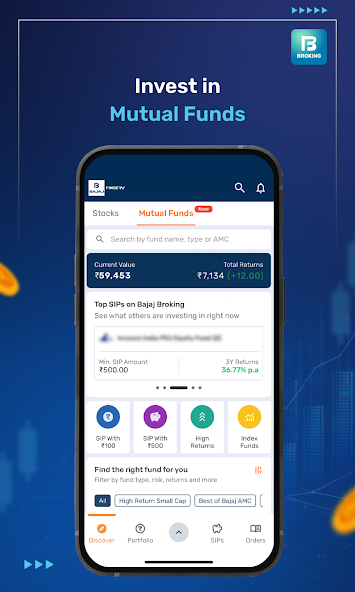
While a trading app provides flexibility for active traders, an SIP app supports long-term investors. Systematic Investment Plans (SIP) are structured ways of investing small amounts regularly into mutual funds.

An SIP app ensures:

  • Consistency: Small, regular contributions make investing a habit.
  • Flexibility: Investors can increase or decrease contributions depending on their financial situation.
  • Wealth Building: Over time, disciplined investing builds a strong portfolio.

The SIP app has become a vital tool for those who prefer stability over constant trading. It encourages disciplined savings and reduces the emotional pressure of market fluctuations.

Advantages of Using a Trading App

Using a trading app brings several advantages that improve the investing experience:

Accessibility Anywhere

Investors can monitor and manage portfolios anytime and from any location. This ensures they do not miss opportunities.

Lower Costs

Digital platforms reduce dependency on traditional systems, often lowering the cost of participation.

Customizable Options

A trading app allows setting price alerts, watchlists, and portfolio trackers, making the investment journey personalized.

Speed of Execution

Orders can be placed and executed instantly, which is vital when dealing with market volatility.

How a Trading App Complements an SIP App

Many investors use both a trading app and an SIP app together. While one helps in active market participation, the other ensures systematic growth. For example:

  • A trading app helps monitor short-term opportunities.
  • An SIP app ensures regular, long-term wealth creation.
  • Together, they balance risk and reward in the portfolio.

This combination ensures that investors are not solely dependent on one strategy. It merges short-term flexibility with long-term discipline.

Common Challenges and How to Overcome Them

Although trading apps and SIP apps are useful, there are challenges that investors face:

Market Volatility

The biggest challenge is uncertainty. Prices change quickly, and new investors may panic. Overcoming this requires patience and planning.

Overdependence on Technology

A trading app provides convenience, but investors should still research and understand fundamentals. Over-reliance on tools without knowledge can lead to mistakes.

Managing Emotions

Both trading and SIP investing require discipline. Avoiding impulsive decisions is key to success.

By balancing technology with knowledge, investors can overcome these challenges and make informed choices.

The Future of Digital Investing

The role of a trading app and SIP app will only grow in the coming years. More people are adopting digital solutions for convenience and control. Features such as artificial intelligence-driven analysis, improved security, and personalized recommendations will further enhance the experience.

Digital platforms will continue to provide both education and execution tools, making investing accessible to wider audiences.

Conclusion

A trading app is more than just a tool for buying and selling shares. It represents the shift from traditional to digital investing, where convenience, speed, and accessibility are at the forefront. On the other hand, an SIP app plays a crucial role in creating long-term wealth with discipline and consistency.

Together, these platforms provide a complete investing experience. While a trading app enables quick market access and flexibility, an SIP app builds financial security over time. As digital investing continues to evolve, both will remain central to shaping the habits of modern investors.

By combining short-term strategies with long-term planning, individuals can create a balanced financial journey. Ultimately, the integration of a trading app and an SIP app ensures that investing becomes both efficient and sustainable.